Polyend Just Handed Its Users the Keys to the Tracker
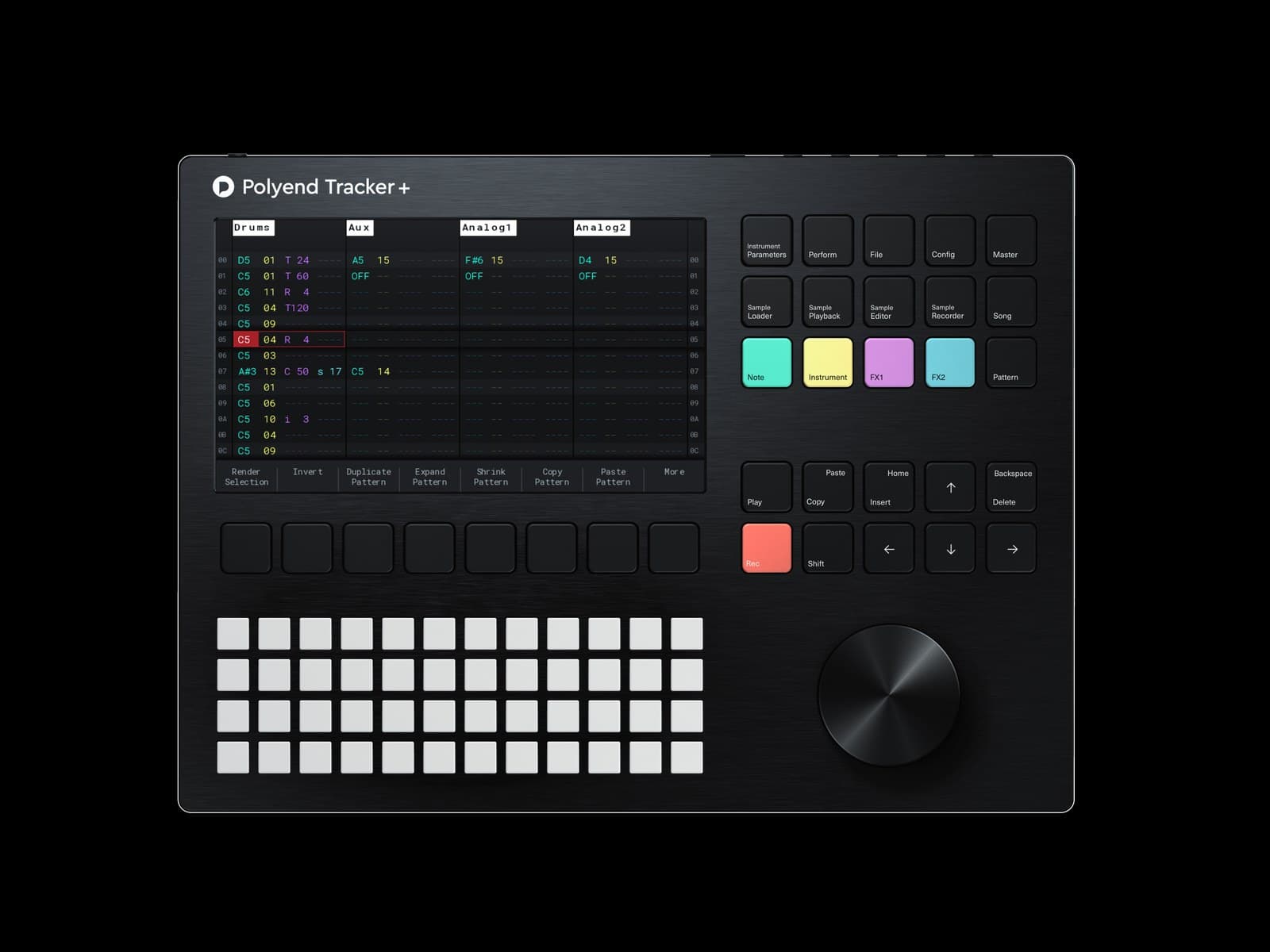
The company has published the firmware source code for its entire Tracker line, turning a closed groovebox into something owners can rebuild, extend, and even profit from.
Giving Away the Blueprint
The headline here isn’t a feature, it’s a decision. Polyend has put the firmware source for the original Tracker, Tracker+ and Tracker Mini on GitHub, alongside a Tracker Community Edition 1.0 that any of the three can run. In practice that means owners can now rewrite the software their hardware runs on, build an entirely different instrument on the same unit, and share their version with everyone else. CEO Piotr Raczyński framed the move as backing the unofficial mods users were already making, essentially an admission that the community will find uses for the hardware the company never imagined. Crucially, Polyend also shipped a recovery system, so a broken custom build can be rolled back without bricking the device, which is what makes experimenting realistic rather than reckless.
Why This Is Bigger Than One Groovebox
Open-sourcing hardware firmware has suddenly become one of the most talked-about moves in music tech, with several brands pivoting that way in recent weeks, partly on the back of AI-assisted “vibe coding” lowering the barrier to modifying code. The Tracker is an especially fitting candidate, given tracker software’s deep roots in DIY programming and the demoscene. The real significance for producers is the SDK story. Beyond just tinkering, the Community Edition lets users load plugins in the Sample Editor, and the accompanying plugin SDK explicitly permits building, sharing and selling your own effects and generators. A second SDK opens up synth-engine creation. In other words, Polyend isn’t just letting people modify their gear, it’s seeding a small economy around it, which is a very different proposition from a locked product with an annual update.
The Update Itself Still Delivers
None of this means the company has stopped developing its own firmware. Community Edition 1.0 lands with genuinely useful additions, led by the ability to stream long samples straight from the SD card, which lets full stems and field recordings into a project for a fraction of the usual memory, and works even on the original 2020 Tracker. Sequencing gets more flexible too, with dedicated micro-move and volume steps that no longer eat an FX slot, plus new chance conditions. Tracker+ and Tracker Mini gain two new synths, CHIP and DIRT, while all three models pick up wavetable envelopes and LFOs, faster project loading, tighter MIDI clock timing, and browser-based theme and font design. Taken together, it’s a substantial update that would have been notable on its own, bundled with a move that quietly extends the hardware’s lifespan well past its release date.